Share this article
Listen to this article
Checking browser support…
A vacant house can be sold, but leaving it unattended while you decide what to do can turn small issues into expensive ones. Before you clean, repair, list, or request an as-is offer, focus on three priorities: keep the property secure, identify active damage, and organize the records a buyer or real estate professional will need. This checklist is designed for Pittsburgh homeowners who want to stabilize the house first and choose a selling path second.
Start with a safe exterior check
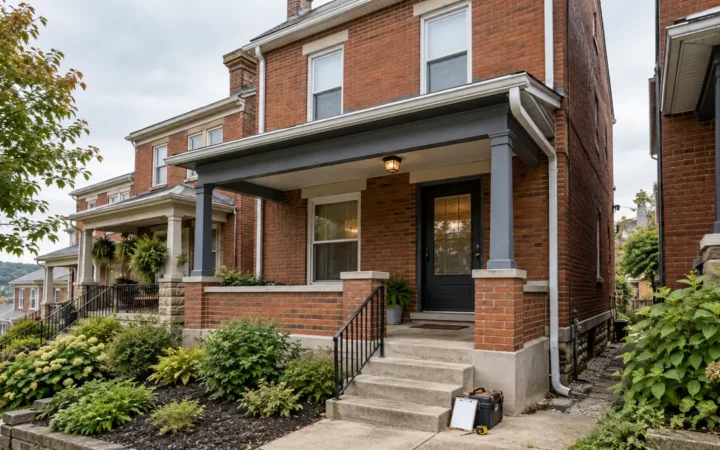
Walk around the property in daylight before entering. Look from the ground for open doors or windows, roof or gutter damage, fallen branches, standing water, loose railings, damaged steps, and evidence that someone has entered the building. Do not climb onto the roof or enter an area that appears unstable.
Pittsburgh has adopted a property maintenance code intended to keep buildings and grounds safe and sanitary. A practical first step is to secure accessible openings, remove obvious rubbish, and address conditions that could affect neighbors or the public. If the building has a condemnation notice, placard, major structural movement, or an immediate hazard, contact the City of Pittsburgh Department of Permits, Licenses, and Inspections before entering or beginning work.
- Confirm exterior doors and accessible windows close and lock.
- Clear mail, flyers, and packages that advertise a long absence.
- Keep walkways, steps, and the sidewalk free of obvious hazards.
- Photograph exterior conditions and note the date of the visit.
- Arrange regular checks by a trusted local person while the house remains vacant.
Check utilities before changing service
Do not shut off every utility automatically. The right choice depends on the season, heating system, plumbing, insurance requirements, and whether inspectors or buyers will need working systems. Ask the property’s insurer what vacancy conditions apply, then speak directly with each utility before making changes.
| System | What to confirm |
|---|---|
| Water | Leaks, meter condition, and the correct owner process to continue or stop service |
| Heat and gas | Whether heat is needed to protect the building and who should inspect the system |
| Electric | Power needed for alarms, sump pumps, lighting, or inspections |
| Sewer | Visible backups, odors, or drainage concerns that require a qualified professional |
Pittsburgh Water’s service-change page provides forms for owners who need to request a water shutoff or restoration. If you are unsure whether a shutoff is appropriate, contact the utility and a qualified plumber rather than experimenting with valves or winterization.
Look for moisture and other conditions that need a professional
Inside the house, use sight and smell to note active leaks, damp areas, staining, peeling paint, pest activity, and damaged electrical components. Avoid disturbing questionable materials. The U.S. Environmental Protection Agency explains that moisture is central to mold growth and that water-damage professionals may help identify moisture problems. For a pre-1978 house, renovation work that disturbs painted surfaces can create lead dust, so the EPA recommends lead-safe practices and qualified contractors.
Stop the walkthrough if you see a sagging ceiling, unstable floor, exposed wiring, strong gas odor, standing water near electrical equipment, extensive contamination, or another condition that may be unsafe. Document what you can from a safe location and call the appropriate professional.
Safety work and cosmetic work are different. Correcting an active leak or securing an opening protects the property. Painting every room or replacing a dated kitchen is a marketing choice. Keeping those categories separate helps you avoid spending money before you know which selling approach fits your priorities.
Organize the property records
A clean record folder makes it easier to talk with an agent, direct buyer, attorney, title company, insurer, or contractor. Start by confirming the property’s address and parcel details through the Allegheny County Real Estate Portal, which supports searches by address or parcel number. The portal is a useful starting point, but it does not replace a title search or professional review.
- Gather the deed or estate documents you already have.
- Collect mortgage, tax, utility, insurance, lease, and repair records that apply.
- Make one list of known defects and another list of recent maintenance.
- Save dated photos of each room, exterior side, and major mechanical system.
- Note who has keys and remove access for people who no longer need it.
Choose how much work to do before selling
Once the house is stable and documented, compare the likely benefit of additional work with its cost, time, and management burden. A traditional listing may benefit from cleaning, repairs, staging, and showings. An as-is listing can reduce preparation while still exposing the property to the open market, though buyers may price in condition. A direct sale may reduce preparation and showing demands, but convenience can come with a lower price than a fully prepared retail sale.
Ask for written estimates and written sale terms. Compare expected net proceeds, contingencies, repair obligations, access requirements, and your confidence in the closing path. No option is automatically best for every vacant property.
A simple first-week plan
- Secure the building and photograph its current condition.
- Call the insurer and confirm vacancy-related requirements.
- Address active water, electrical, structural, or security hazards with qualified help.
- Verify property details and assemble available records.
- Request comparable written plans for listing, repairing, or selling directly.
Bottom line
Preparing a vacant Pittsburgh house for sale starts with stabilization, not decoration. Secure the property, identify active risks, protect essential systems, and collect records before deciding how much additional work makes sense. If you want to compare an as-is cash offer with your other options, you can request a no-obligation review from 3Rivers Homebuyers.
This article provides general information, not legal, insurance, tax, financial, code, or safety advice. Requirements depend on the property and circumstances. Confirm current rules with the appropriate agency, utility, insurer, or qualified Pennsylvania professional.
Official resources