A rental sale starts with the tenancy details
Before comparing offers, organize the information that can affect possession, timing, costs, and what a buyer is actually purchasing.
1. Confirm occupancy
Start with whether the property is vacant, owner-occupied, or tenant-occupied and whether possession may change before closing.
2. Review the lease
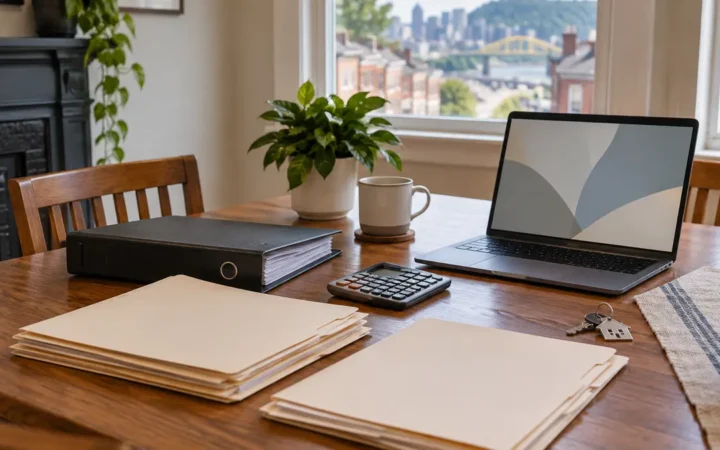
Gather the signed lease, amendments, deposit records, notices, payment history, and any agreements that may affect the sale.
3. Document the property
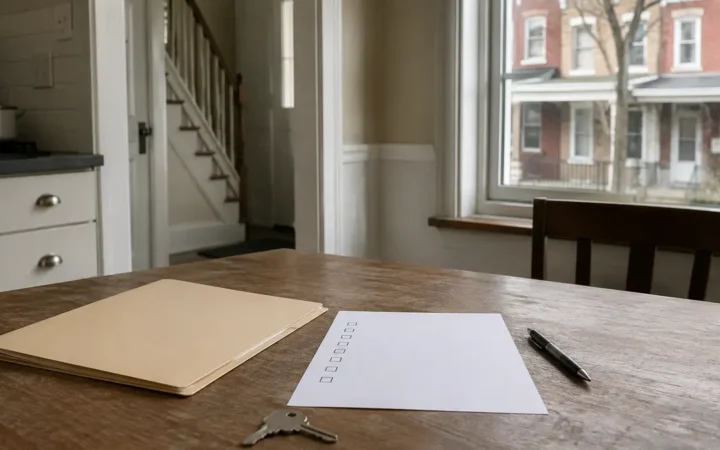
Keep maintenance records, utility information, known repair issues, inspection records, and relevant tenant correspondence together.
Questions to answer before selling
- When does the current lease end?
- Are rent, utilities, deposits, or repairs unresolved?
- Will a buyer expect the property vacant or keep the tenancy in place?
- How much access will be needed for showings, inspections, or a property review?
Compare the complete result
A traditional listing can provide broad market exposure but may require preparation, tenant coordination, access, and more time. A direct sale may reduce some of that work, but the price, costs, conditions, and closing terms still need to be compared.
Lease, tenant, depreciation, and tax questions can have legal or financial consequences. Verify current requirements and use qualified professional advice when your situation calls for it.
Thinking about selling a rental property?
3Rivers Homebuyers can review the property details you provide and explain whether a direct purchase may fit your situation.